Bathing frequency is not one-size-fits-all. A Border Collie and a Basset Hound have completely different needs.
Ask three veterinarians how often you should bathe your dog and you'll get three different answers. That's not because the question is unanswerable. It's because the question is incomplete. "How often" depends on which dog, what's going on with their skin, and what they've been doing. Getting it wrong in either direction causes problems.
Dr. Sandra Koch, a veterinary dermatologist who spent 25 years on faculty at the University of Minnesota College of Veterinary Medicine, put the stakes plainly: "Overbathing is one of the most common self-inflicted skin problems I see. Owners think they're keeping the dog clean. They're actually stripping out the oils that keep the skin barrier intact, and then they bring the dog in because the skin is dry and flaking and itching. I ask how often they bathe. Weekly, they say. There's the problem."
Factor 1: Coat Type
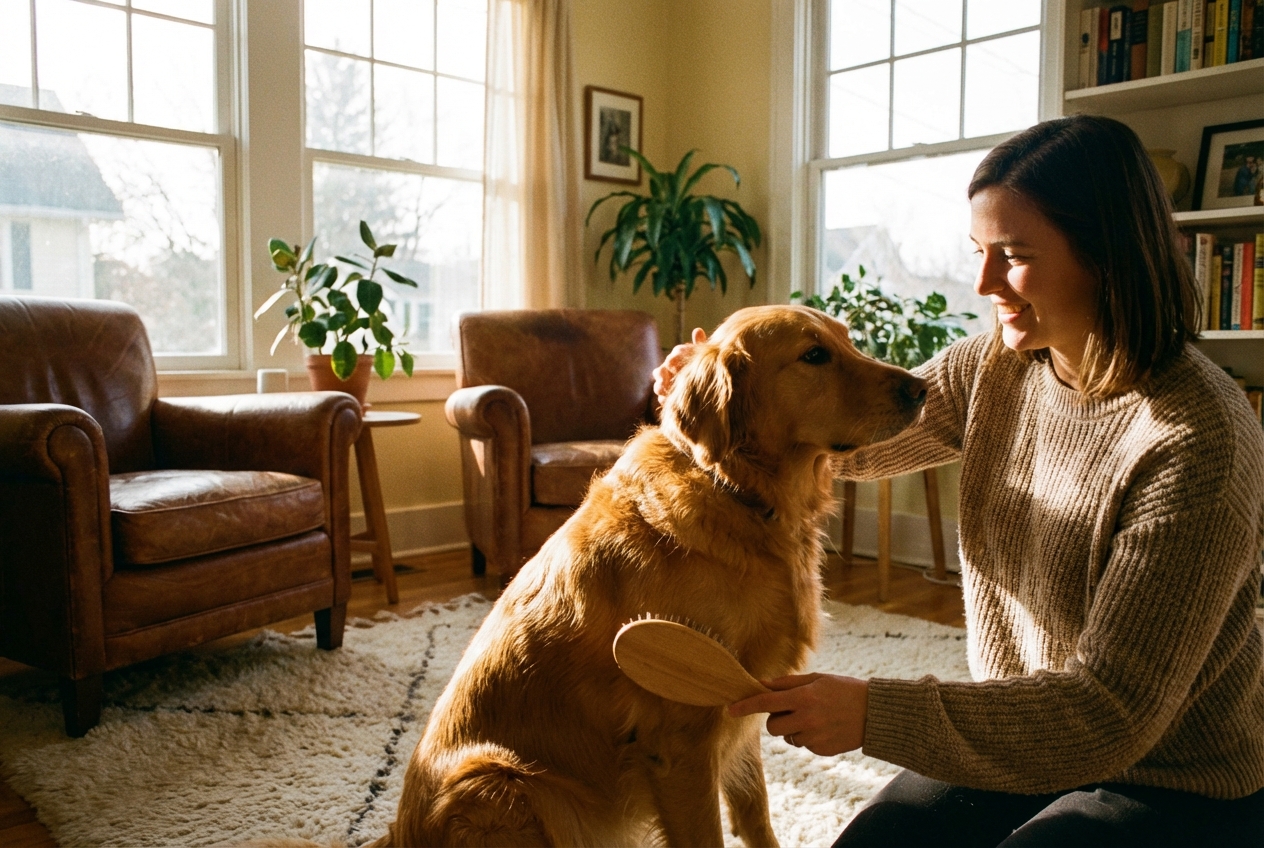
Coat type is the starting point for any bathing frequency calculation. Dogs with double coats, like German Shepherds, Golden Retrievers, and Huskies, have a dense undercoat below a water-resistant outer coat. This structure requires thorough drying after bathing, or the undercoat stays damp for days, creating a warm, moist environment ideal for bacterial and yeast growth. Double-coated dogs typically do well bathed every six to eight weeks, with regular brushing to manage shedding between baths.
Dogs with single, shorter coats, like Beagles, Dobermans, and Vizslas, have less insulation and less natural oil production in the skin. Their coats dry faster and accumulate less odor. Monthly bathing or even less frequently is adequate for many single-coat dogs who aren't frequently outdoors in mud or allergens.
Dogs with continuously growing hair rather than a shedding coat, including Poodles, Bichon Frises, and many doodle crosses, need regular bathing every three to four weeks as part of a grooming routine that also includes clipping. The non-shedding coat mats when dirty and wet debris becomes tangled in it. For these breeds, bathing is part of coat maintenance, not just hygiene.
Basset Hounds and other breeds with heavy skin folds, like Shar-Peis and Bulldogs, need more frequent attention specifically in the folds, where moisture and bacteria accumulate. The fold skin itself should be cleaned and dried weekly even if full baths are monthly.
Factor 2: Activity Level
A dog that spends its days on indoor furniture has different hygiene needs than a dog that swims in ponds, rolls in grass, and digs in soil three hours a day. Activity level changes two things: the amount of environmental debris in the coat and the exposure to outdoor allergens that can penetrate the skin barrier.
"Outdoor dogs, especially those who swim or go off-trail, need bathing more often in spring and summer. You're rinsing off the pollens and molds that are sitting on the coat and irritating the skin."
Dr. Sandra Koch, veterinary dermatologistFor highly active outdoor dogs, a more frequent schedule, every two to four weeks during high-pollen or high-allergen seasons, can reduce the secondary skin inflammation that comes from sustained allergen contact. This is particularly relevant for dogs with known environmental allergies. The bath removes the allergen load from the coat before it has time to drive persistent skin irritation.
Swimming changes the picture further. Fresh water is generally benign, but pool water contains chlorine that strips oils from the coat with repeated exposure. Dogs that swim in pools regularly benefit from a freshwater rinse after each swim even if a full bath comes weekly or bi-weekly. Ocean swimming leaves salt residue that dries and irritates if not rinsed out.
Factor 3: Skin Health
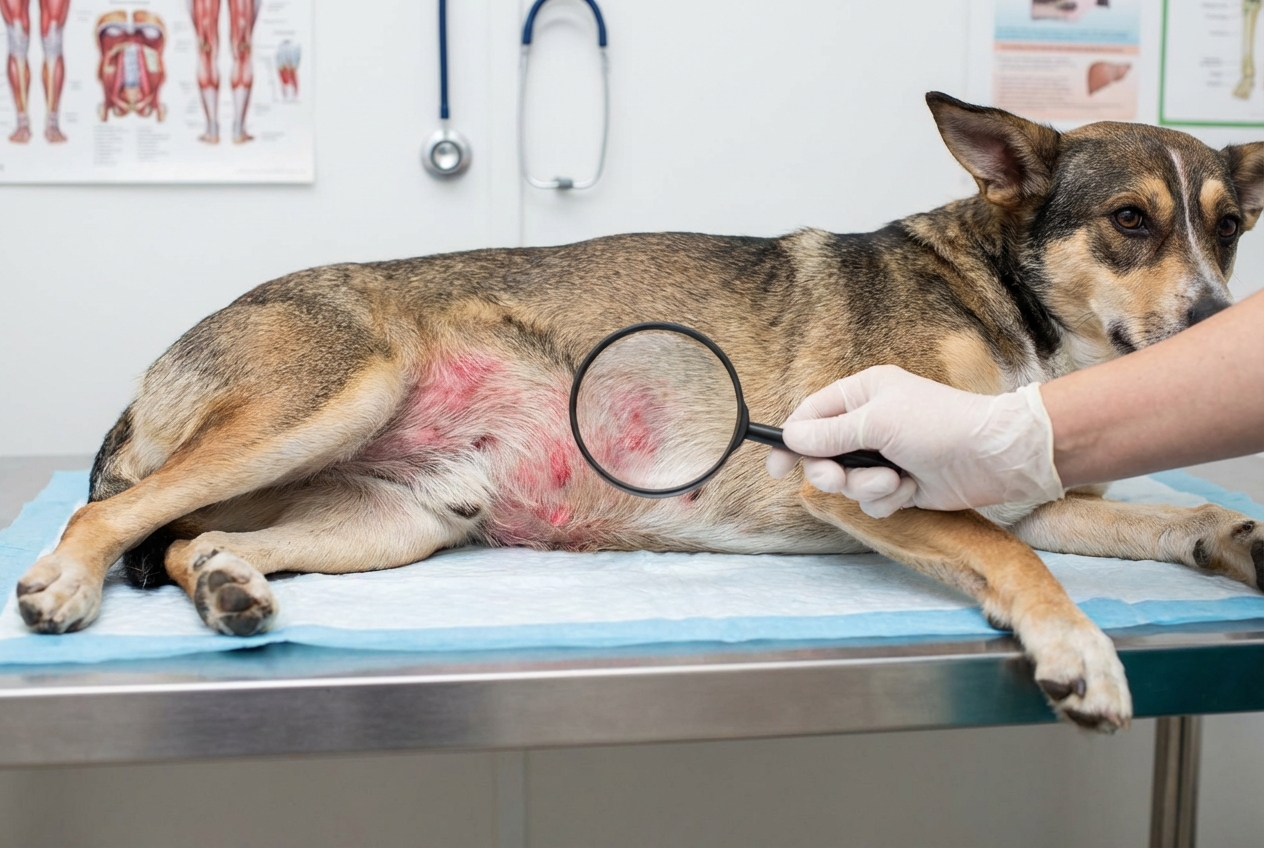
For dogs with diagnosed skin conditions, bathing frequency becomes a clinical question, not a grooming preference. Dogs with atopic dermatitis (environmental allergies) typically benefit from more frequent bathing, twice weekly in flare periods, because bathing removes allergens and applies medicated or barrier-restoring shampoos. Dogs with seborrheic skin conditions that cause excess oil production also benefit from frequent bathing to control the buildup that feeds yeast overgrowth.
Conversely, dogs with dry, scaling skin conditions like primary seborrhea or zinc-responsive dermatosis can be worsened by frequent bathing. These dogs may need bathing only every four to six weeks, with moisturizing rinses between baths rather than full shampoo applications.
The shampoo itself matters as much as the frequency. pH-balanced veterinary shampoos maintain the skin's acid mantle, which inhibits bacterial growth. Human shampoos, including baby shampoo despite its gentle marketing, are formulated for the pH of human skin, which is more acidic than dog skin. Repeated use disrupts the dog's skin barrier in a way that compounds any over-bathing effects.
More than just bathing: how's your dog's overall health picture?
Our free 60-second assessment checks your dog's age, breed, and symptoms against known risk factors for the most common canine health conditions.
Take the Free Health AssessmentSigns You're Bathing Too Often
Excessive flaking or dandruff that wasn't there before you started a frequent bathing schedule is the clearest sign. The sebaceous glands ramp up oil production to compensate for stripped oils, and the resulting overproduction creates dry, flaky skin, or paradoxically, a greasy coat that looks dirty again within days of a bath. The skin may also feel tight, and the dog may scratch more than usual in the days following a bath rather than less.
If the coat has lost its sheen and developed a rough texture since you increased bathing frequency, that's a direct sign the oil layer has been disrupted. Pulling back on baths and using a veterinary conditioner after shampooing typically resolves this within three to four weeks.
Signs You're Not Bathing Enough
A persistent odor that doesn't respond to brushing, visible grease on the coat surface, or a dog that frequently scratches its back against furniture and carpets, are signs that bathing is overdue. In dogs prone to allergies, an extended period without bathing accumulates allergen load on the skin that can push a dog from low-level irritation into a full allergic flare.
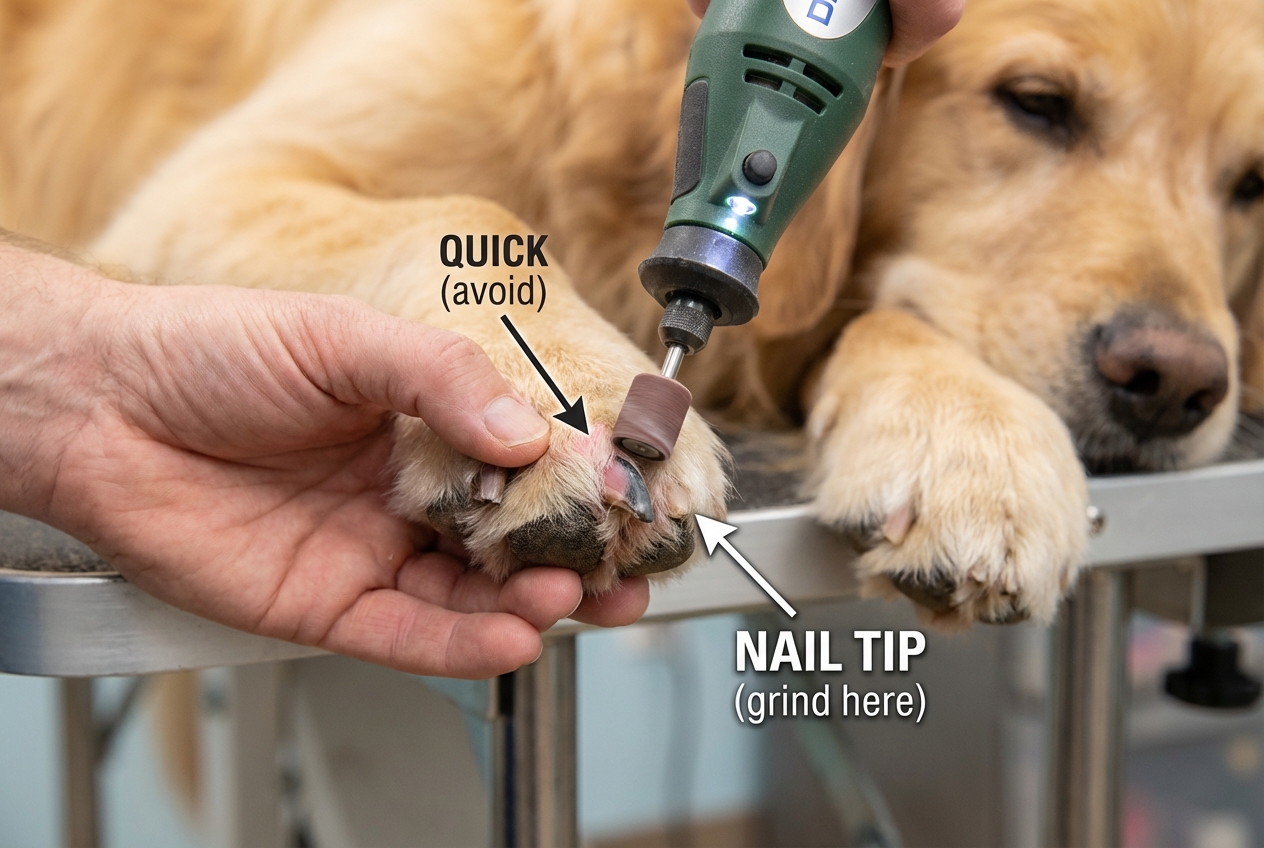
The simplest working rule from dermatologists: bathe when the dog smells, when the coat looks or feels dirty, or at least monthly for an average healthy dog with a short to medium coat. Work inward from there based on what you observe. The dog's skin will tell you what the right interval is if you're paying attention to it. Combine good bathing habits with a complete grooming routine, including regular nail trimming and dental care, and you'll stay ahead of most grooming-related health issues.